First Party Versus Third Party Insurance
Friday, October 2, 2026
Edit
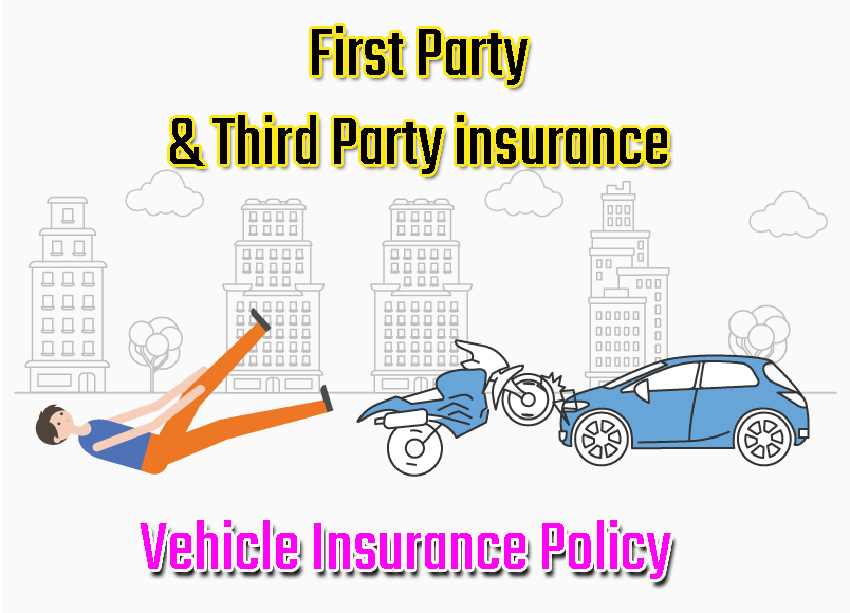
Understanding the Difference Between First Party and Third Party Insurance
Insurance is a necessary part of owning a car, home or business. When it comes to insurance, you might have heard the terms “first party” and “third party” thrown around, but do you really know what they mean? To make sure you’re informed, here is a guide to understanding the difference between first party and third party insurance.
What is First Party Insurance?
First party insurance is an insurance policy that covers the policyholder. The policyholder is the first party and the insurance company is the second. It is often referred to as “first party coverage.” This type of insurance is typically used when the policyholder has a claim against their own insurance company. Examples of first party insurance include life insurance, health insurance, auto insurance, and homeowners insurance.
What is Third Party Insurance?
Third party insurance is an insurance policy that covers damages or injuries to a third party. The policyholder is the first party, the insurance company is the second, and the third party is the person or entity that is not insured under the policy. It typically covers damages or injuries caused by the policyholder. Examples of third party insurance include auto liability insurance, product liability insurance, and professional liability insurance.
What is the Difference Between First Party and Third Party Insurance?
The main difference between first party and third party insurance is who is being covered. First party insurance covers the policyholder, while third party insurance covers damages or injuries to a third party. First party insurance is typically used when the policyholder has a claim against their own insurance company, while third party insurance is typically used to protect the policyholder from claims against them from a third party.
When Should I Use First Party Insurance?
First party insurance should be used when the policyholder has a claim against their own insurance company. This includes situations such as filing a claim for damage to your property or filing a claim for medical expenses. It can also be used to cover losses from theft or natural disasters.
When Should I Use Third Party Insurance?
Third party insurance should be used when the policyholder is at risk of being sued by a third party. Examples of situations where third party insurance is necessary include auto accidents, product liability, and professional liability. Third party insurance can also be used to cover medical expenses for a third party who has been injured due to the policyholder’s negligence.
Conclusion
First party and third party insurance are two different types of insurance policies that cover different people and situations. First party insurance covers the policyholder, while third party insurance covers damages or injuries to a third party. Knowing the difference between the two can help you make sure that you have the right type of insurance for your needs.
First Party और Third Party insurance क्या होता है, दोनों में अंतर तथा लाभ?
Difference First Party Third Party Insurance Ppt Powerpoint Pictures

What Is The Difference Between First-Party And Third-Party Insurance?

The loss your car incurs is not covered by your insurance provider but
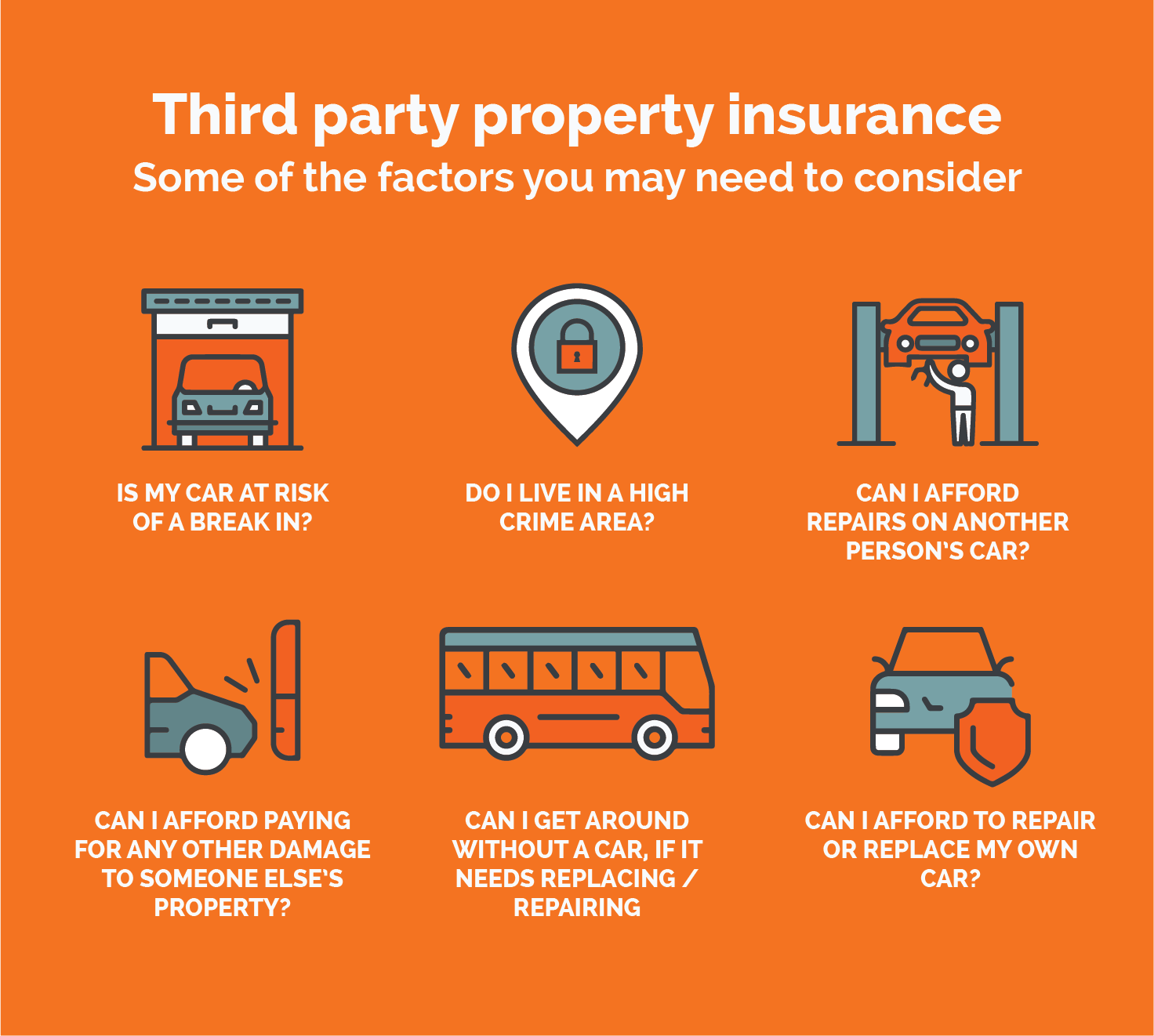
What is third party insurance | Online insurance, Compare insurance

